Internal drylining adds a layer of insulated plasterboard to the inside of external walls, eliminating cold spots and damp — with minimal disruption and no external scaffolding needed.
SEAI Grant Available: Up to €4,500 towards the cost of Internal Drylining
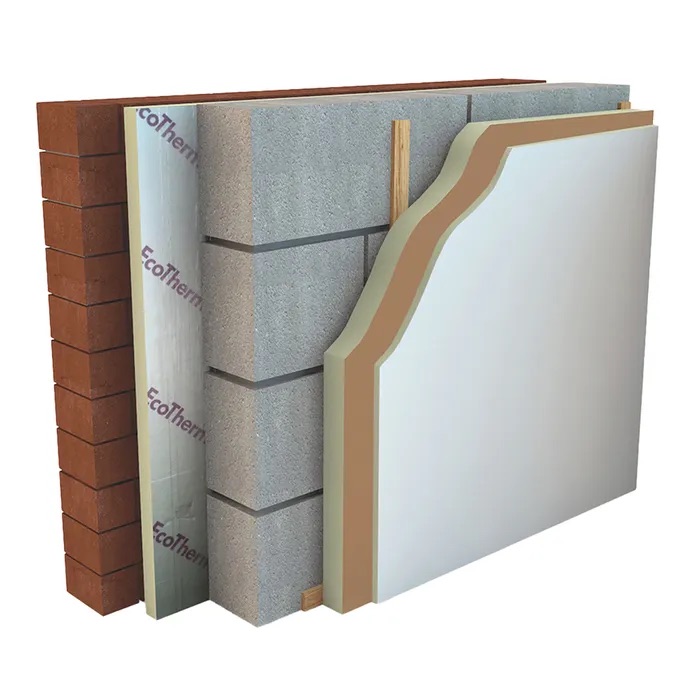
Internal drylining involves fixing insulated plasterboard — or a timber/metal frame filled with rigid insulation — to the inner face of external walls. It significantly reduces heat loss through solid or poorly insulated walls without the need for any external work. It's an ideal solution for terraced houses, protected structures, or any property where external wall insulation isn't practical. The result is a warmer, drier wall surface that also improves airtightness and can help address recurring damp and condensation issues.
The Process
How it Works
1
Wall Survey
We assess the external walls for moisture, existing insulation, and structural condition. Any underlying damp issues are identified and addressed before work begins to ensure the new lining performs correctly.
2
Surface Preparation
Skirting boards, architraves, and electrical fittings are carefully removed. The wall surface is cleaned and primed where necessary, and a damp-proof membrane is applied if required.
3
Insulation & Board Fixing
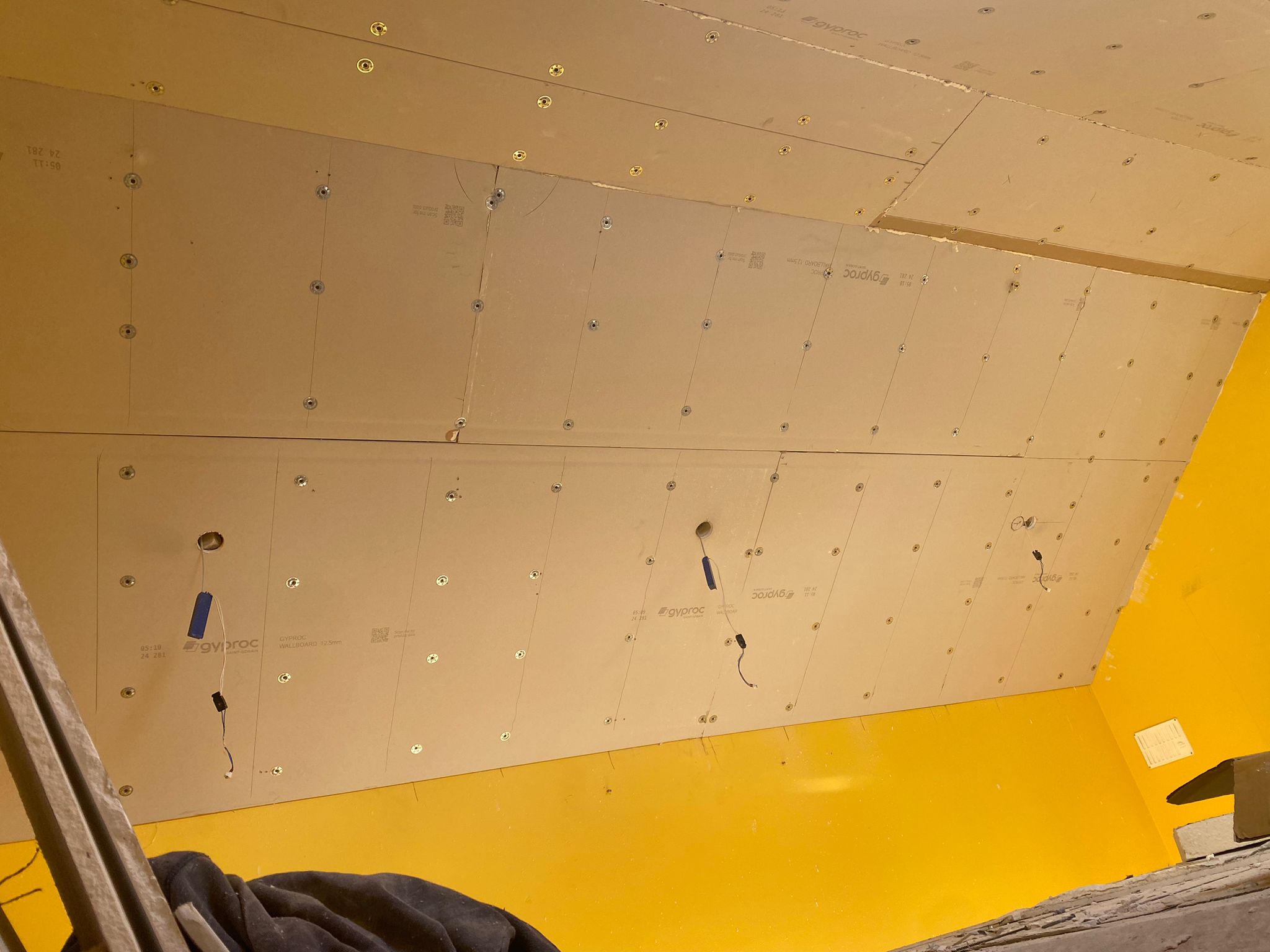
Insulated plasterboard is bonded or mechanically fixed directly to the wall, or a studwork frame is built out and filled with rigid insulation slabs before boarding. Joints are taped and sealed for airtightness.
4
Finishing
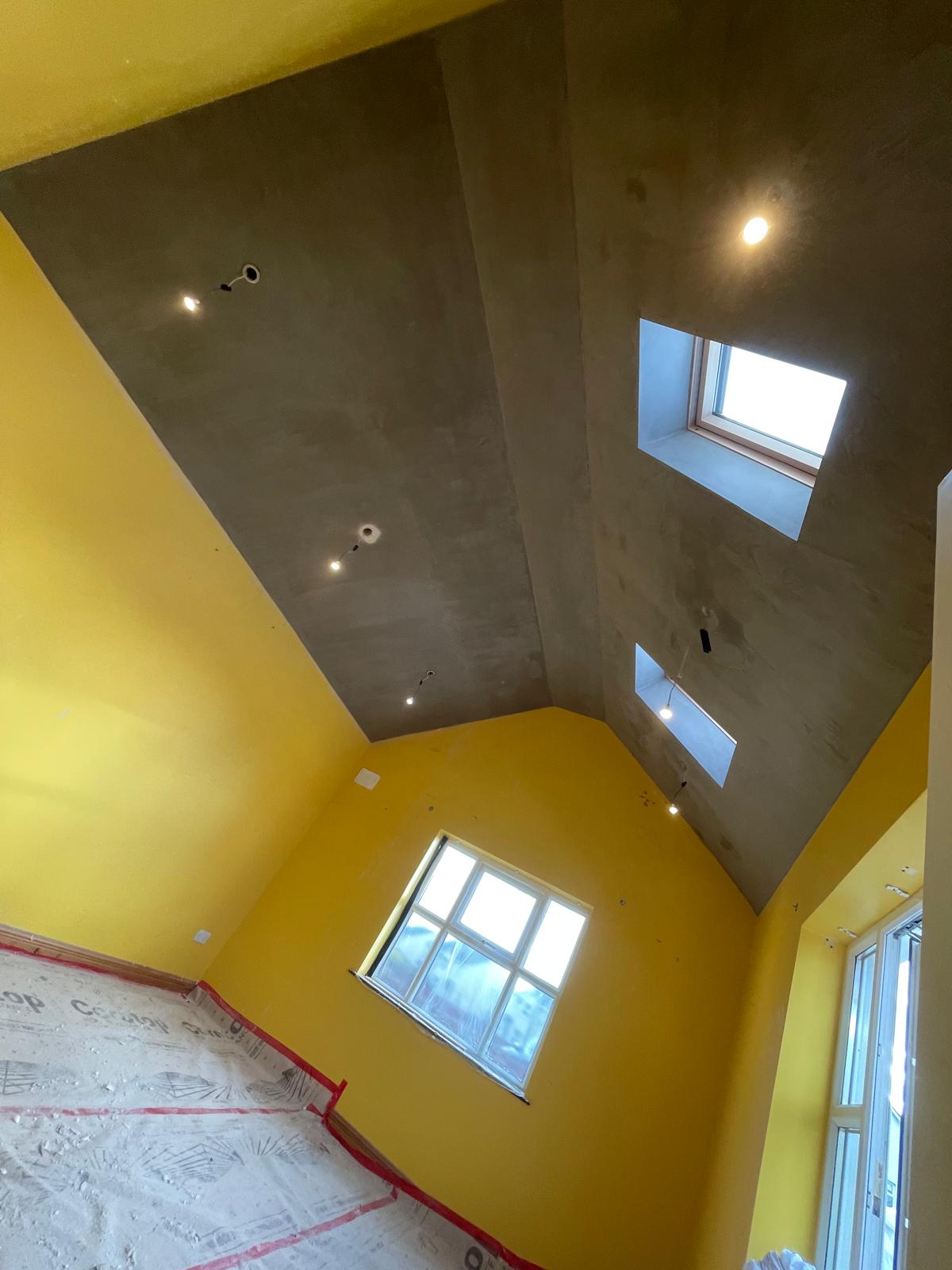
Boards are skimmed or taped and jointed to a smooth finish ready for decoration. Skirting, architraves, and electrical sockets are reinstated to leave a clean, finished result.
Is This Right For Me?
Suited For
Solid wall homes not suitable for external insulation
All houses
Protected or conservation area properties
Homes with recurring cold walls or condensation
Rooms where targeted improvement is needed
Properties where external scaffolding is not practical
Common Questions
FAQs
Typically 60–100mm is lost from each treated wall depending on the system used. We discuss this with you in advance and choose the slimmest effective solution for your space.
If not installed correctly, internal insulation can shift condensation to a new location within the wall. We follow best practice detailing — including vapour control layers and proper airtightness measures — to prevent this.
SEAI grants may be available for internal wall insulation as part of the Better Energy Homes scheme. We can advise you on current grant eligibility during your assessment.
Generally no. Work is carried out room by room where possible to minimise disruption. We'll agree a phased plan with you before starting so you know what to expect each day.